


Published: February 24, 2025 | Last Updated: November 3, 2025
A golf cart’s stability depends on factors like its suspension system, tire type and pressure, wheelbase length or track width, and proper maintenance.
Key to stability is a good suspension to handle terrain, appropriate tire pressure and alignment for control, and a wider wheelbase for a lower center of gravity.
Regular checks of the suspension and axle are also vital to prevent wobbling or a loss of control.
Driving on uneven terrain turns every ride into a test of your cart’s stability. Bumps, slopes, and rough surfaces expose worn suspension components and improper setup.
Your cart feels unpredictable. You worry about passenger safety. Hills make you nervous, and every pothole reminds you that something needs attention.
Stability problems create three major challenges:
- Worn front A-arm bushings (RXV) or leaf-spring bushings (TXT) can cause excessive bouncing and poor handling, depending on the model.
- Incorrect tire pressure and alignment lead to wobbling and loss of control.
- Neglected maintenance accelerates component wear and increases the risk of accidents.
Professional suspension upgrades and proper maintenance restore confidence on any terrain. Carts & Parts specializes in OEM EZGO suspension components that keep your cart stable and safe.
-
- Worn bushings compromise stability and handling control.
- Proper tire pressure between 18 to 22 PSI for off-road terrain prevents wobbling.
- Regular suspension inspections catch problems before they worsen.
Why Stability Matters: Safety, Performance & Cost on Rough Terrain
Stability directly affects safety and performance on challenging surfaces. An unstable cart creates hazards for passengers and accelerates mechanical wear.
Rough terrain exposes every weakness in your suspension system. Worn components amplify vibration and reduce control.
Safety Risks: Rollovers, Pulling, and Uneven Tire Wear
Excessive leaning increases rollover risk on slopes. Passengers feel every bump when suspension components fail to properly absorb impact.
Poor stability causes uneven tire wear. Your cart pulls to one side, making steering difficult and unpredictable.
According to the National Highway Traffic Safety Administration, golf cart accidents often result from stability issues combined with improper operation on rough terrain.
Performance Impact: Handling, Battery Efficiency & Motor Strain
Bouncing and wobbling strain your entire suspension system. Components wear out faster when forced to absorb impacts they weren’t designed to handle.
Battery efficiency drops when your cart has to work harder to maintain control. Motor strain increases on unstable platforms.
If you experience similar bouncing problems, our guide on golf cart bouncing when driving covers additional troubleshooting steps.
Long-Term Damage: Frame Stress, Cracks & Costly Repairs
Neglected suspension problems can lead to expensive repairs. A worn bushing stresses surrounding components until multiple parts fail simultaneously.
Frame damage occurs when the suspension can’t protect the chassis. Cracks develop at stress points, requiring extensive welding repairs.
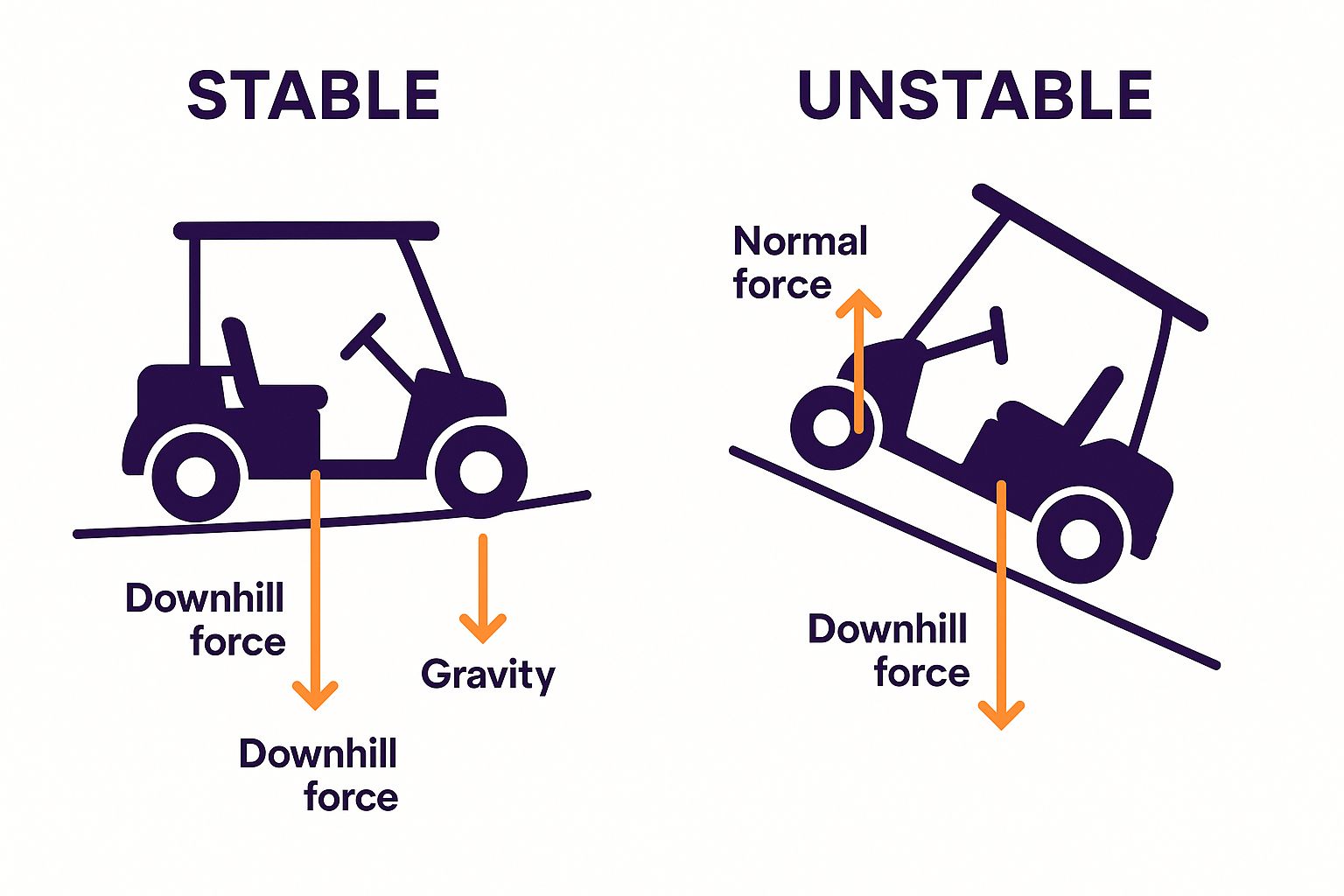
Main Stability Factors: Suspension, Tires, Wheelbase & Weight Balance
Multiple components work together to keep your cart stable. Understanding each factor helps you identify and fix problems before they worsen.
Suspension, tires, and weight distribution all play critical roles. One weak link compromises your entire system.
Suspension 101: Springs, Shocks & Bushings (RXV vs TXT)
Your suspension absorbs impacts and maintains tire contact with the ground. Leaf springs support the cart’s weight while allowing vertical movement over bumps.
Shocks dampen oscillation after hitting obstacles. Without proper damping, your cart continues bouncing long after clearing rough patches.
Bushings cushion connection points between moving parts. Worn bushings create excessive play in your suspension, causing clunking sounds and loose handling.
The EZGO RXV uses A-arm bushings in the front suspension. The TXT relies on leaf-spring bushings at the mounting points. Both designs require regular inspection and replacement.
For comprehensive information on all EZGO suspension components, visit our EZGO Suspension & Steering Parts guide.
Tires & PSI: Best Treads and Pressures for Trails & Hills
All-terrain tires provide better traction than standard golf cart tires. Deeper treads grip loose surfaces and prevent sliding on slopes.
Proper inflation maintains the tire’s contact patch with the ground. Underinflated tires feel sluggish and increase rolling resistance. Overinflated tires reduce grip and make rides harsh.
Check pressure weekly when driving on rough terrain. Temperature changes affect PSI readings, so measure when tires are cold.
Our detailed golf cart tire pressure guide covers optimal inflation for every terrain type and load condition.
Wheelbase & Center of Gravity: Lift Kits vs Stability
Longer wheelbases distribute weight over a larger area. Six-passenger models with extended frames handle slopes better than standard two-seaters.
Higher centers of gravity increase the risk of tipping. Lifted carts sacrifice stability for ground clearance, increasing tipping risk due to a raised center of gravity. Every inch of lift raises your cart’s tipping point.
The Consumer Product Safety Commission reports that modified golf carts with lift kits have higher rollover rates than stock configurations.
Weight Distribution: Loading Tips to Prevent Tip-Overs
Balanced loads keep your cart level and predictable. Placing heavy items on one side causes lean during turns.
Rear weight bias reduces front tire grip. Your steering feels light, and the front end pushes wide in corners.
Front-heavy loads increase dive under braking. Excessive nose-down pitch makes stopping distances longer and less controlled.
DIY Stability Inspection Checklist (5-Minute Garage Test)
Regular inspections catch stability problems early. A systematic approach identifies worn components before they fail.
Use a stable jack and ensure safety supports are in place before inspection. Look for apparent damage first, then test for excessive play.
For safe lifting procedures, consult our how to jack up a golf cart guide before starting any inspection.
Visual Check: Springs, Shocks, Bushings & Mounts
Inspect bushings for cracking or separation from metal sleeves. Rubber deteriorates over time, creating gaps that allow unwanted movement.
Check leaf springs for broken leaves or sagging. Springs should maintain their arch shape without visible cracks.
Look at the shock absorber mounting points. Loose hardware or damaged mounts compromise shock performance.
Tires & Wheels: Tread, Runout, Lug Torque & Alignment Clues
Measure tread depth across each tire. Uneven wear indicates alignment problems or suspension issues.
Spin each wheel and watch for wobbles. Bent rims cause vibration and uneven tire wear.
Check lug nuts for proper torque. Consult your EZGO owner’s manual for model-specific torque specifications to ensure safe wheel attachment.
Road Test: Bounce, Wobble & Clunk Diagnostics
Push down hard on each corner of your cart. It should rebound once and settle. Multiple bounces indicate worn shocks.
Rock the cart side to side while someone watches the suspension. Excessive movement means worn bushings need replacement.
Test drive over speed bumps at low speed. Listen for clunks or rattles that indicate loose components.
Jim McGaha discovered how proper maintenance prevents expensive repairs:
“These guys are very honest and helpful with my cart repairs. I was expecting a replacement engine and they found other things wrong saving me close to a thousand dollars who can complain about that. Turn around time is the best less than 2 weeks. Great people to deal with I wish I could give more stars. HIGHLY RECOMENDED”
Carts & Parts has more than 2,000 five-star reviews. Customers trust our diagnostic expertise and honest service recommendations.
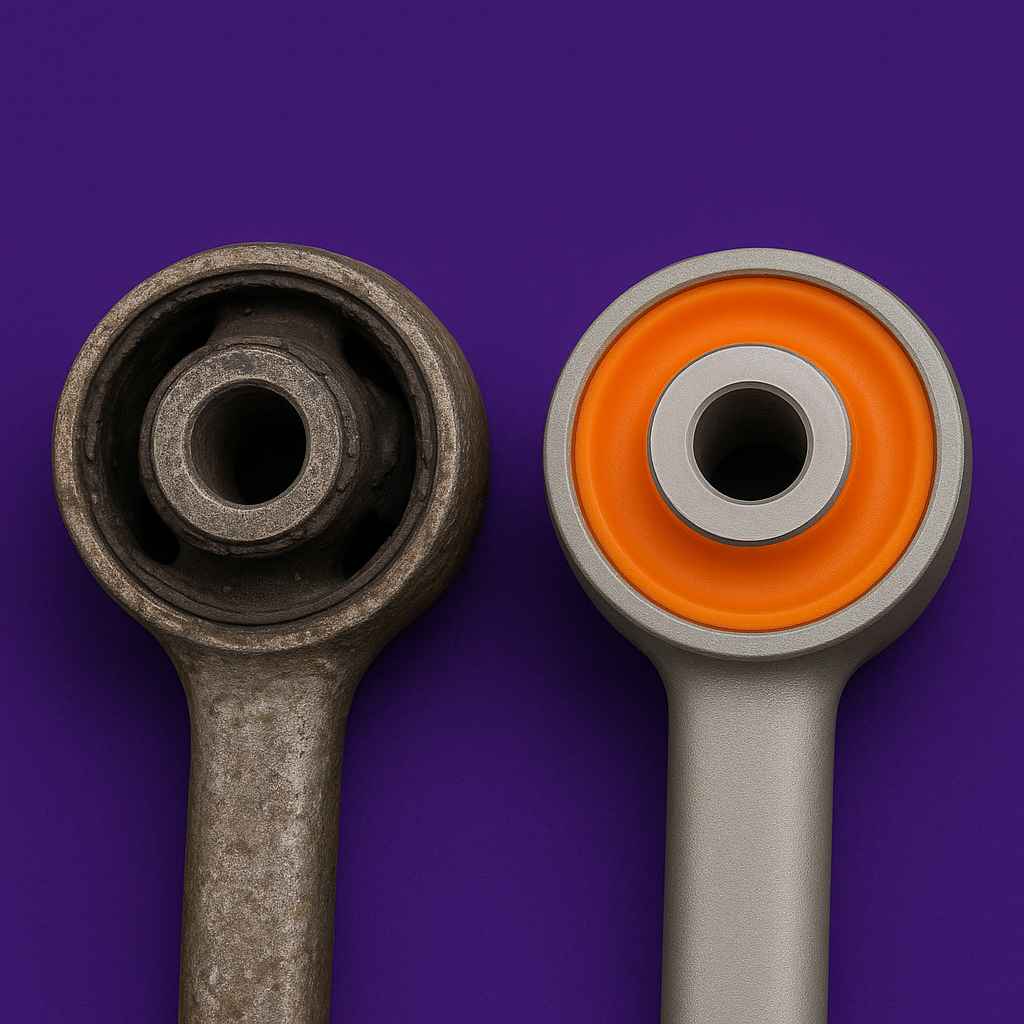
Your Action Plan: Inspect, Adjust PSI, Replace Bushings, Re-Test
Follow these steps to restore proper stability. Start with inspection, then address worn components systematically.
- Inspect suspension components for wear.
Check all bushings, springs, and shocks. Document problems with photos for reference.
- Check and adjust tire pressure.
Inflate to manufacturer specifications. Verify pressure when tires are cold for accurate readings.
- Replace worn bushings and suspension parts.
Prefer OEM components for proper fit and longevity. Aftermarket parts often fail prematurely and may not meet EZGO specifications.
- Test drive and verify improvements.
Drive over the same rough terrain where problems occurred. Confirm stability improvements before returning to regular use.
Ready for professional suspension service? Call Carts & Parts at (937) 459-8891 for expert EZGO repairs and OEM parts. We ship nationwide with free shipping on qualifying orders.
Top 7 Upgrades for Off-Road Stability (EZGO RXV/TXT)
Specific upgrades address different stability problems. Choose modifications based on your cart’s current condition and how you use it.
1) Upgrade Suspension: Heavy-Duty Shocks & Travel Kits
Stock suspension works fine on smooth surfaces but struggles with rough terrain. Performance upgrades extend suspension travel and improve damping.
Heavy-duty shocks reduce body roll during cornering. Upgraded shocks improve damping and minimize body roll, especially on rough terrain where stock components lose effectiveness.
Long-travel suspension kits increase vertical wheel movement. Your cart absorbs larger obstacles without bottoming out or becoming airborne.
A professionally tuned suspension transforms how your cart handles. Components work together rather than fight each other through rough sections.
2) Stability Kits: Springs, Shocks & Reinforced Hardware
Complete stability kits include matched components designed to work together. You get reinforced shocks, upgraded springs, and proper hardware in one package.
Wider axles increase track width without changing wheel offset. Your cart gains a broader stance that resists tipping on side slopes.
Stronger leaf springs support heavier loads without sagging. They maintain proper ride height even with passengers and cargo.
Weight distribution improvements keep your center of gravity low. Strategic reinforcement prevents frame flex that compromises handling.
3) Tires & PSI: All-Terrain Choices for Grip & Control
All-terrain tires feature aggressive tread patterns that bite into loose surfaces. Deeper lugs provide traction where street tires spin uselessly.
Off-road compounds balance durability with grip. Harder rubber lasts longer on pavement but softer compounds perform better on dirt and grass.
Tire pressure affects the shape and size of the contact patch. Too much pressure reduces the footprint and makes rides harsh. Too little pressure causes excessive sidewall flex and poor handling.
Check pressure before every ride on rough terrain. Adjust based on the load and surface conditions you expect to encounter.
Stability Safety Features: Steering Dampers, Anti-Tip & Governors
Modern carts include features that enhance stability and prevent accidents. Understanding available options helps you choose appropriate upgrades.
Safety features work together to keep your cart upright and controlled. No single upgrade solves all stability problems.
Steering Stabilizers: When They Help Most (Lifted Carts)
- Hydraulic dampers on the steering linkage prevent violent reactions to terrain impacts. They smooth out feedback without reducing driver control.
- The OEM EZGO Steering Yoke Subassembly Kit improves steering precision. Tighter tolerances reduce play that makes steering feel vague and imprecise.
- Electronic stability systems on newer carts modulate individual wheel braking. They help prevent rollovers during emergency maneuvers.
Factory Weight Balance: Battery Placement & Seat Configuration
- Factory battery placement positions heavy components low and centered. This natural ballast improves stability without adding unnecessary weight.
- Cargo racks should mount cargo as low as possible. High-mounted loads raise the center of gravity and increase tip risk.
- Passenger seating arrangements affect weight distribution. Forward-facing rear seats distribute weight better than rear-facing configurations.
Anti-Tip Mods: Wider Wheelbase, Roll Bars & Rear Wheels
- Wider wheelbases resist tipping through geometric advantage. Longer wheelbases prevent front-to-back tipping on steep grades.
- Anti-tip wheels mount to the rear and contact the ground during excessive rearward pitch. They prevent backward rollovers when climbing steep hills.
- Roll bars protect occupants in the event of a rollover. They don’t prevent tipping but reduce injury severity.
Speed Governors: Set Safe Limits for Trails & Slopes
- Electronic speed limiting prevents excessive speeds on challenging terrain. Lower maximum speeds give suspension more time to react to obstacles.
- Adjustable governors let you set appropriate limits for different conditions. Street use allows higher speeds while trail settings prioritize control.
- Driver training matters more than electronic aids. Understanding weight transfer and proper line selection prevents most stability problems.

Pro Driving Tips for Uneven Terrain (No Mods Required)
Proper driving technique prevents stability problems that mechanical upgrades can’t fix. Even perfectly maintained carts tip over when driven improperly.
Speed Control & Line Selection
- Maintain steady speeds appropriate for terrain conditions. Fast speeds reduce reaction time and increase impact forces beyond suspension capacity.
- Plan your line through rough sections. Choose the smoothest path that avoids the worst obstacles and sharpest turns.
- Reduce speed before steep slopes or loose gravel. Slower speeds give you more time to react and correct course.
Steering & Weight Transfer
- Avoid sudden, sharp turns that transfer weight violently. Gradual steering inputs let weight shift progressively without upsetting balance.
- Use smooth, deliberate inputs to keep your suspension working within design limits. Jerky steering and throttle movements overwhelm even upgraded systems.
Pre-Ride Stability Checklist
Before every rough terrain drive, verify these critical items:
- Balance weight distribution. Position passengers and cargo evenly. Check the balance before departing, especially with rear-facing seats occupied.
- Check tire pressure. Proper inflation between 18 and 22 PSI maintains the contact patch shape your suspension expects.
- Inspect suspension components. Catch problems during visual inspections rather than during failures.
- Verify tire condition. All-terrain tires provide the tread depth and compound needed for reliable grip on dirt and gravel.
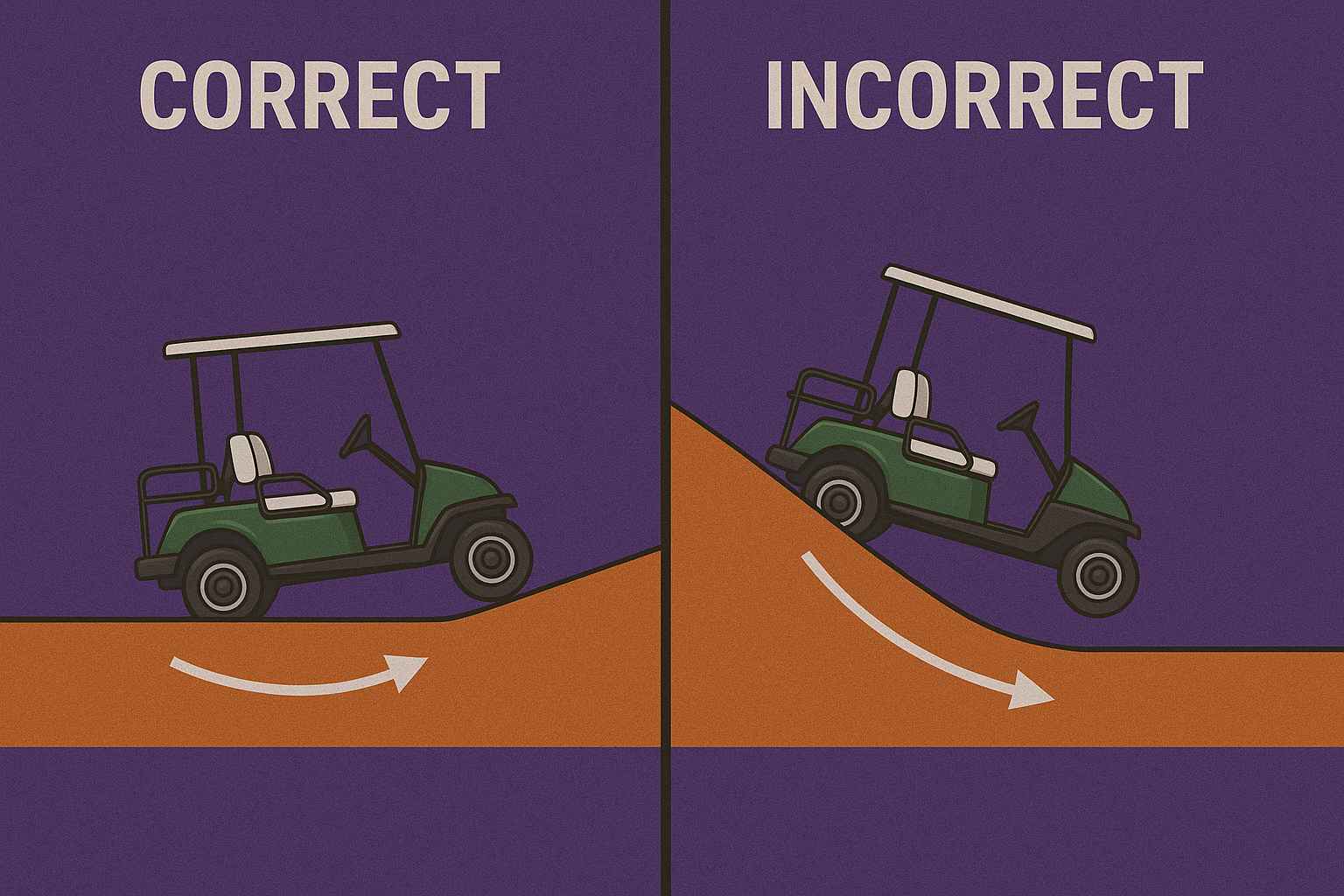
Ignore Instability? Expect Rollover Risk, Cascading Wear & Higher Costs
Neglected stability issues worsen rapidly, creating dangerous situations. Minor problems compound into expensive repairs and serious safety hazards.
The Cost of Ignoring Problems
- Increased rollover risk during regular operation endangers passengers. What starts as minor wobbling progresses to dangerous lean angles on moderate slopes.
- Accelerated suspension wear damages multiple components simultaneously. One worn bushing stresses mounting points, A-arms, and frame connections until everything fails together.
- Higher repair costs from cascading failures could have been prevented. A $35 bushing replacement becomes a $300+ suspension overhaul when neglected too long.
- Reduced cart lifespan and resale value from cumulative damage. Buyers avoid carts with obvious suspension problems or frame damage from failed components.
What Failure Looks Like
- Worn bushings allow excessive movement that stresses mounting points. Metal-on-metal contact develops, wearing bolt holes and damaging frames.
- Suspension failures occur suddenly without warning. A broken spring or separated bushing causes immediate loss of control.
- Accidents from unstable carts cause injuries and property damage. Legal liability increases when maintenance records show neglected problems.
Similar electrical neglect can cause other issues. Learn how to properly test a golf cart solenoid to prevent power system failures.
After the Fix: How a Stable Cart Should Feel on Trails
Proper suspension maintenance and upgrades transform your cart’s capability. You’ll feel the difference immediately on rough terrain.
What Success Looks Like
- Smooth, controlled rides on any terrain inspire confidence. You tackle trails that previously seemed too challenging for your cart.
- Predictable handling on slopes and bumps reduces anxiety. Your cart responds exactly as expected without surprises.
- An extended suspension component life lowers ownership costs. Properly maintained suspension protects itself and the surrounding components.
- Safe, comfortable passenger experience for all riders. Passengers actually enjoy the ride instead of bracing for impacts.
The Driving Experience Changes
- Your cart tracks straight without constant steering corrections. Bumps get absorbed without jarring passengers or rattling loose parts.
- Cornering feels planted and progressive. Weight transfers smoothly without sudden lurches or excessive lean.
- Passengers comment on the improved ride quality. Comfort increases because suspension actually works as designed.
Tina LeMaster found the difference that quality parts and service make:
“First time buying from this business! I must say the experience was easy and staff were helpful. They delivered a great product and paid attention to what we wanted. Would recommend them!!”
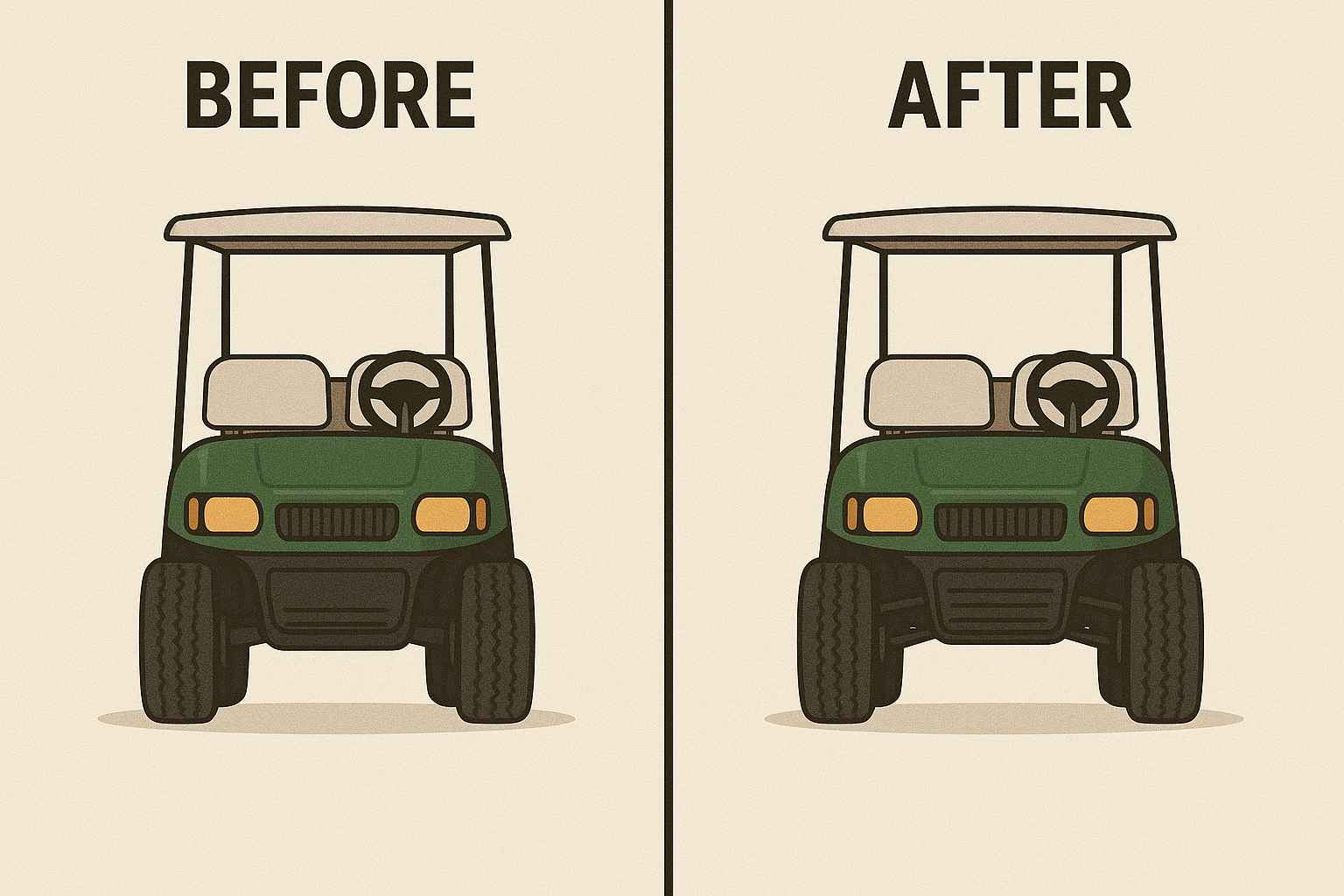
Need Help? OEM EZGO Stability Parts & Service (Carts & Parts)
Carts & Parts specializes in EZGO suspension components and expert service. We stock OEM parts that restore factory performance and exceed original specifications.
Our team has decades of combined experience diagnosing and fixing stability problems. We identify root causes instead of guessing at symptoms.
Why Choose Carts & Parts
As an authorized EZGO dealer, we access factory technical information and updated parts supersessions. You get current components that incorporate engineering improvements.
More than 2,000 customers give us five-star reviews for honest service and fair pricing. We explain what your cart needs without pushing unnecessary upgrades.
Located in Union City, Indiana, we serve customers nationwide through fast, free shipping. Order online or call for expert advice on your specific cart.
Call (937) 459-8891 today for stability solutions that work.
Golf Cart Stability FAQ (EZGO RXV & TXT)
1. What causes golf carts to feel unstable on rough terrain (top 5 culprits)?
Worn suspension bushings create excessive play between components. Springs lose tension over time and can’t properly support weight.
Incorrect tire pressure affects the contact patch shape and grip. Loose steering components allow unpredictable wheel movement.
Uneven weight distribution shifts the center of gravity and increases the risk of tipping. Any combination of these factors compounds instability problems.
2. How often should EZGO suspension bushings be replaced (RXV vs TXT)?
Bushings typically last 3 to 5 years under regular use. Rough terrain use accelerates wear and may require replacement every 2 to 3 years.
Inspect bushings annually for cracking, separation, or excessive play. Replace bushings when you notice increased bouncing, clunking sounds, or loose handling.
Preventive replacement costs less than repairing damage from failed bushings. A $35 bushing kit prevents hundreds in in-frame repair costs.
3. How can I improve golf cart stability cheaply (no major upgrades)?
Proper tire pressure provides immediate stability improvement at no cost. Check and adjust to 18-22 PSI for off-road use.
Balancing cargo and passenger weight distribution helps prevent tipping. Regular bushing inspection catches problems before they worsen.
The EZGO TXT Leaf Spring Bushing Kit costs just $25 and dramatically improves handling. Simple maintenance often resolves stability issues without significant upgrades.
4. What is the best golf cart tire pressure for hills, trails, and gravel?
Most golf cart tires work best between 18 and 22 PSI for off-road use. Lower pressure increases contact patch size and improves traction.
Higher pressure maintains sidewall stiffness but reduces grip. Check your tire sidewall for the maximum pressure rating.
Start at 20 PSI and adjust as needed for performance and ride quality. Measure pressure when tires are cold for accurate readings.
5. How do I diagnose worn golf cart bushings (symptoms & simple tests)?
Visible cracking or separation from metal sleeves indicates worn bushings. Excessive clunking sounds over bumps suggest bushing failure.
Push down hard on each corner and listen for rattling from loose components. Rock the cart side to side while watching suspension movement.
Worn bushings show obvious play between parts that should fit tightly. Any movement at bushing locations means replacement is needed.
6. Do wider tires or wheel spacers improve stability, and are they safe?
Wider tires increase contact patch width and provide more cornering grip. They lower the effective center of gravity by spreading weight over a larger footprint.
Combined with wheel spacers, wider tires significantly improve stability. Verify clearance before installing wider tires to avoid rubbing the full-suspension compression.
Wider tires may reduce top speed slightly due to increased rolling resistance. Use quality wheel spacers that match your bolt pattern for safe installation.
7. Can I DIY suspension upgrades on an EZGO, and when should I hire a pro?
Basic bushing replacement requires standard hand tools and basic mechanical skills. A-arm replacement needs proper torque specifications and alignment knowledge.
Complete suspension overhauls benefit from professional installation and setup. Safety-critical components should be installed correctly the first time.
Carts & Parts offers installation services for customers who prefer professional work. We ensure proper alignment and torque specifications.
8. RXV vs TXT: What’s different about their suspension, and which parts wear first?
RXV models use independent front suspension with A-arms and coil-over shocks. TXT models have simpler leaf spring suspension front and rear.
RXV A-arm bushings wear faster due to more articulation and stress. TXT leaf spring bushings last longer but require more labor to replace.
Parts are not interchangeable between models due to different mounting configurations. Always verify part compatibility before ordering.

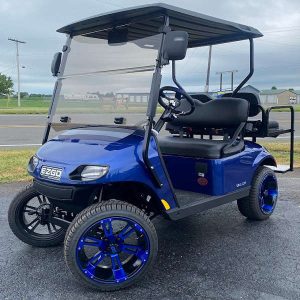
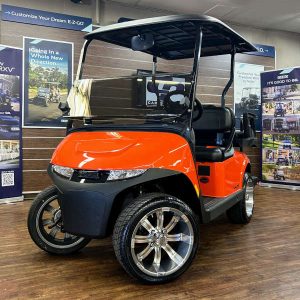

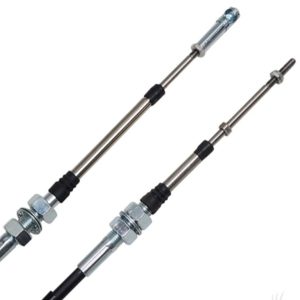
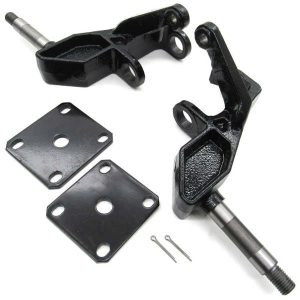
I have a 2019 EZ go with a 6 inch lift with 23×.5 Tires, where can I find a steering stabilizer kit because the steering is too loose on bumpy terrain?
Hello Dennis! Thanks for sharing the details about your 2019 EZGO with a 6-inch lift and 23″ tires. Upgrading to a steering stabilizer is a smart move for improving control and comfort on bumpy terrain, especially with a lifted cart. Please contact us at (937) 459-8891 so we can steer you in the right direction and help you find exactly what you need.