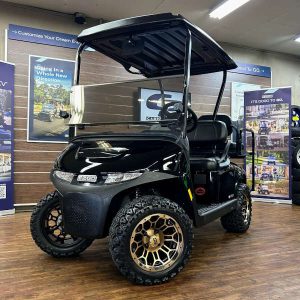
Golf carts are widely used for recreation and business but can develop issues over time. Battery failure, often due to poor maintenance or aging, is a common problem, along with brake issues, faulty motors, and worn-out tires. Over 60% of breakdowns are linked to battery and electrical failures. Regular maintenance helps prevent costly repairs and ensures a smooth, safe ride.
Common Golf Cart Problems And How To Spot Them

Battery Problems
If your golf cart doesn’t start or loses power quickly, the battery might be weak or dead. Check for rust on the terminals and low water levels. A weak battery can also cause the cart to slow down or stop suddenly while driving.
Brake Issues
If your golf cart makes a squeaking noise or has trouble stopping the brakes may need fixing. Worn brake pads or loose cables can make stopping unsafe. Ignoring brake problems can lead to serious safety risks while driving on slopes or uneven areas.
Tire Damage And Low Pressure
If your tires are flat or have low air pressure, driving becomes difficult. You may lose control. You may also notice uneven tire wear, which can damage the wheels over time. Checking tire pressure regularly helps prevent sudden flats.
Steering And Alignment Problems
If the steering feels loose or it pulls to one side, there might be a problem with alignment or suspension. This can make it hard to drive straight. Bad alignment also wears out tires faster and puts extra stress on other parts.
Motor And Controller Faults
If the golf cart moves slowly, hesitates, or stops suddenly, it could have motor or controller issues. Faulty motors and weak golf cart batteries can make these problems worse. Fixing them early can prevent bigger damage and costly repairs.
Electrical System Failures
If the light or horn, and other electric components stop working, the issue might be with the wiring or fuses. Loose or damaged wires can also cause problems. A faulty electrical system can impact both safety and performance. Regularly checking golf cart parts helps prevent these issues.
Charging System Issues
Sometimes the issue is not with the battery but with the charger. If charging takes too much time and is not complete, the charger may be faulty. Using a faulty charger can harm your battery over time.
Essential Tools You Need For DIY Golf Cart Repairs

Basic Wrench And Socket Set
You need wrenches and sockets to tighten or loosen bolts and nuts. These tools help when working on batteries, brakes and motors. Without them you can’t remove or fix important parts correctly.
Screwdrivers (flathead and Phillips)
Different screwdrivers to remove and tighten screws on seats, panels, or battery covers-and they’re great in adjusting small fittings and wires too. The correct size of a screwdriver would prevent damage to screws and parts.
Battery Cleaning Brush
The battery terminal brush is used to clean rust and dirt that builds up around battery terminals and on cables. Clean terminals help the battery to work better and last longer. With the neglect of this, bad connections could result from battery sparks and even starting.
Tire Pressure Gauge
So when a tire pressure gauge indicates whether the tires have been filled with air. The pressure in the right tires allows the cart to run properly and safely over any kind of ground surface while low tire pressure distorts the tire wear unevenly and makes it difficult to steer.
Jack Stand
The jack stands must be there to put a jack beside the one that lifts the cart carefully when working under the cart or even changing tires. They have stable support and minimize the risk involved. Never work under a cart without proper jack stands holding it up.
Voltmeter or Multimeter
It helps to measure the battery voltage exactly by a voltmeter or multimeter and checks the electrical connection as well. This is convenient for diagnosing battery problems and wiring faults. This can save time by quickly directing to the electrical problems.
Protective Gloves And Safety Glasses
These are gloves and safety glasses that protect your hands and eyes from sparks, dirt, and sharp edges when working with batteries, wires, or metal parts. Such safety gear helps minimize the incidence of cuts, burns, and other injuries.
Wire Cutters And Crimpers
Wire cutters and crimpers are also needed for fixing or replacing electrical wires, along with the connectors. These are used to make clean cuts and secure connections. Without these tools, repairing a broken wire properly becomes difficult and unsafe.
Step-by-Step DIY Repair Tips For Golf Cart Owners

Step 1: Check And Clean Battery Connections
Turn off the cart and inspect the battery terminals for dirt or corrosion that will impede connection. Clean the terminals with a battery cleaning brush using a mixture of water and baking soda; make sure all connections are tight and secure so that there are no power interruptions while in use.
Step 2: Inspect And Refill Battery Water Levels
If the brakes are feeling soft or are making squeaky noises, check for worn or stretched brake pads and cables. Adjust the cables or replace the pads so that the braking power of the cart is restored.
Step 3: Adjust or Change Golf Cart Brakes
If the brakes are feeling soft or are making squeaky noises, check for worn or stretched brake pads and cables. Adjust the cables or replace the pads so that the braking power of the cart is restored.
Step 4: Check Tire Pressure And Condition
Make use of a tire pressure gauge to check for recommended PSI tire pressure. Inspect the tires for any signs of cracks, punctures, or uneven wear. Properly maintained tires will provide a smooth ride while reducing the risk of accidents.
Step 5: Test Motor And Controller
Turn the cart on and note any grinding or clicking noises. If the vehicle moves slowly or comes to a sudden halt, motor or controller problems are suspected. These issues may require some attention to basic small engine repair, especially if the motor is running rough. Before considering replacement, check for loose wires or connections around the motor.
Step 6: Look And Tighten All Cables And Wires
Look for loose wires or damaged wires around the battery area, motors, and under the cart. Tighten all connections and replace frayed wires; this will ensure safety in the operation of the cart. Wiring problems can easily create electrical failures leading to abrupt breakdowns.
Step 7: Lubricate Moving Parts
Apply grease or oil to the suspension, steering joints, and brake cables. This will guard against rusting and allow all parts to work well. Consequently, regular lubrication prolongs the life of the essential components and reduces noise problems.
Step 8: Testing Lights And Electrical Accessories
Examine whether headlights, brake lights, and the horn are clearly audible and in service. Repair any broken wiring or blown fuses. All the required lighting must function because it is vital for safety if driving the cart on the road or at nighttime.
How To Choose The Right Golf Cart Repair Service

The maintenance of your cart depends much on selecting the right golf cart repair service. Certified technicians should be available for all types of repairs, including electric golf cart repairs. Always read the reviews and ask for warranties on parts and service. Prices for repairs may vary greatly, but don’t select the lowest one only, because quality matters. Some companies offer mobile services that come in handy should your cart be immobile. Repairs to new or used golf carts should ensure the use of high-quality parts to result in longevity.
Maintenance Tips To Avoid Major Golf Cart Repairs

Check And Clean Batteries Monthly
At least once a month, your battery should be inspected for dirt, corrosion, and loosening of connections. The terminals should be cleaned with a battery brush to avoid any buildup. An always clean and cared-for battery will run longer and perform better.
Keep The Tires Properly Inflated
The air in the tire must be checked frequently and, more importantly, brought up to the recommended PSI level. Driving low-pressure tires can end in uneven wear and, in severe cases, damage the wheels. Proper tire pressure gives better handling and provides a smooth and safe cart ride.
Apply Lubricant
Grease all parts that move, such as those in suspension steering joints and brake cables. Prevents rust, ensures noiseless and smooth operation, and helps provide additional life to the mechanical part by causing less wear and tear.
Charging Should Be Done Correctly
The battery should always be charged after each use and never overcharged. Only use the charger suitable for your type of battery used in the golf cart. Doing so prolongs the battery life and minimizes unexpected breakdowns.
Examine And Tighten The Bolts And Nuts
Inspect all applicable bolts, nuts, and screws related to the cart, including amongst others the seats and panel. Tightening any loose parts might keep them from rattling during driving, if not completely falling off. Well-locked panel down will reduce the chances of accidents or damage.
Brakes And Cables Test Regularly
Test the brakes regularly for their working condition without noise; check for each brake cable if there are any signs of wear or overstretching, and replace if required. Good brakes stand for safe driving, especially downhill.
Dry And Covered Space For Cart Storage
When not in use, store your golf cart in a garage or under a cover. This will protect it from rain and sun, preventing it from rusting or fading, or suffering from possible electrical failures. Proper storage makes the whole cart last much longer – not just the body but also electrical parts.
Check Lights And Electrical Accessories
Make sure all lights, hooters, and indicators are functioning soundly. Fix any broken bulbs and wiring issues immediately to avoid any safety hazards. Good lights will be necessary if you’re driving the cart in low-light conditions or on the roads.
Conclusion
Regular maintenance and quick repair keep your golf cart in good shape. This will also avoid problems and save money in the long run. Simple steps like checking the battery, keeping tires in good shape, and tightening loose parts can make a big difference in how well your cart runs. While many small issues can be handled by learning how to fix golf carts at home.
With the right tools and care, you can avoid small problems like motor or electrical system failures. Knowing when to handle repairs yourself and when to call a trusted golf cart service and repair provider is key to keeping your cart safe and running smoothly. If you need help expert help with golf cart repairs or high-quality parts, contact Carts & Parts today at (937) 459-8891 for expert advice and professional service.
FAQs
What is the most common problem in golf carts?
The most common issue in golf carts is battery failure, often caused by poor maintenance, overcharging, or aging batteries. Electrical issues, brake problems, and worn-out tires are also frequent concerns.
How long do golf cart batteries last?
On average, golf cart batteries last between 4 to 6 years with proper maintenance. Regular charging, cleaning terminals, and maintaining water levels can extend their lifespan.
Why is my golf cart not starting?
A dead battery, loose cables, or a faulty ignition switch are common reasons for a golf cart not starting. Checking the battery voltage and connections can help diagnose the issue.
What should I do if my golf cart is losing power while driving?
This could be due to a weak battery, bad connections, or a failing motor controller. Check the battery charge, clean the terminals, and inspect for any loose wires.
How often should I check my golf cart’s brakes?
Golf cart brakes should be checked at least once every few months. If you hear squeaking noises or experience difficulty stopping, it’s time for an inspection or repair.