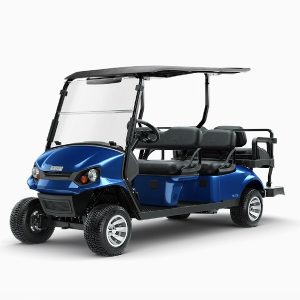
Golf cart insurance confusion leaves thousands of owners vulnerable to financial disaster every year.
The maze of coverage options, state requirements, and policy exclusions creates a perfect storm where well-meaning cart owners think they’re protected until disaster strikes.
Golf carts cost thousands of dollars, from basic neighborhood models to premium EZGO carts loaded with advanced features.
Without proper golf cart insurance coverage, you’re gambling with thousands of dollars and potentially catastrophic liability exposure.
This comprehensive guide cuts through the insurance industry jargon and reveals exactly what coverage you need, what you can skip, and how to save money while staying properly protected.
The Insurance Confusion That Costs Cart Owners Thousands

Golf cart insurance requirements vary dramatically by state, community, and usage type, creating a confusing web of regulations that most owners struggle to navigate.
Many discover too late that their homeowners policy doesn’t cover neighborhood driving or that their state requires specific coverage they don’t have.
The uncertainty about whether you’re correctly covered creates constant anxiety every time you drive your cart.
You worry about potential accidents, liability claims, or theft, but feel overwhelmed by insurance options and unsure who to trust for guidance.
You deserve clear, honest information about protecting your investment and family.
Golf cart insurance complexity affects entire communities, where neighbors often receive different information from various sources, creating confusion about requirements and available options.
Your Trusted Guide to Understanding Cart Insurance Basics

As an exclusive EZGO dealership, we frequently address customers’ insurance-related questions and concerns.
While we can’t provide insurance advice, we understand cart specifications and technical details that help insurance professionals determine appropriate coverage.
Golf cart insurance can seem complicated, but understanding your cart’s capabilities and classification helps you have more productive conversations with licensed insurance agents who can recommend coverage for your specific situation.
Your 3-Step Golf Cart Insurance Understanding Plan

Understanding golf cart insurance starts with knowing your specific situation and requirements.
These three steps help you gather the information you need to make informed coverage decisions with the assistance of insurance professionals.
🛡️ Step 1: Know Your Cart’s Classification and Usage Requirements
Golf cart insurance needs depend on three critical factors: the classification of your cart, where you drive it, and your state’s specific laws.
Understanding these factors helps you ask the right questions when speaking with insurance professionals.
Cart Classification Determines Coverage Approach
> Personal Golf Carts (15-20 mph)
Traditional carts, which are typically used on private property or designated cart paths, primarily require basic liability coverage.
Most homeowners’ policies provide limited coverage for on-property use, but this protection disappears once you leave your property boundaries.
> Low-Speed Vehicles (LSV – 20-25 mph)
Street-legal carts, such as EZGO’s Liberty LSV, require full automotive insurance in most states.
These carts require registration, a Vehicle Identification Number (VIN), and comprehensive coverage, similar to regular vehicles.
The NAIC (National Association of Insurance Commissioners) provides guidelines that states use to regulate these requirements.
> Speed-Modified Carts (25+ mph)
Custom or modified carts often fall into automotive categories requiring full insurance coverage. These modifications can dramatically increase insurance costs and requirements.
Usage Location Affects Coverage Needs
> Private Property Only
Basic homeowners coverage may be sufficient, but it’s essential to review the policy limits carefully. Most policies cap golf cart coverage at $1,000-$2,500, which won’t replace a modern EZGO golf cart.
> Neighborhood and Community Roads
Most states require liability coverage once you enter public roads, even low-speed residential streets.
Community associations often mandate specific coverage levels and require naming the HOA as an additional insured.
> Mixed Public/Private Use
Comprehensive golf cart insurance becomes essential for carts used both on private property and public roads.
This Progressive Insurance analysis reveals that over 150,000 golf cart-related injuries necessitated emergency room treatment from 2007 to 2017, underscoring the significant liability risks associated with this activity.
💰 Step 2: Learn About Coverage Types and Cost Factors
Golf cart insurance costs vary dramatically based on coverage choices, cart value, and usage patterns.
Understanding different coverage types helps you have informed discussions with insurance professionals about what protection makes sense for your situation.
Common Coverage Types
> Liability Coverage
Protects you when you cause injury or property damage to others.
Minimum requirements vary by state, but $25,000/$50,000/$25,000 provides reasonable protection for most situations. This coverage typically costs between $75 and $150 annually.
> Comprehensive Coverage
Protects against theft, vandalism, weather damage, and other non-collision losses.
Given that golf carts are easy targets for theft, this coverage often pays for itself. Annual costs range from $50 to $200, depending on cart value.
> Collision Coverage
Pays for cart damage regardless of fault in accidents. Consider this essential if you’ve financed your cart or own a premium model, such as EZGO’s Express series. Costs typically range from $100 to $300 annually.
Additional Coverage Considerations
> Uninsured Motorist Coverage
Protects you when hit by drivers without insurance. Given the high uninsured motorist rates in many areas, this coverage offers valuable protection for as little as $25 to $75 per year.
> Medical Payments Coverage
Covers medical expenses for you and passengers regardless of fault. This coverage can help prevent out-of-pocket medical costs and typically costs between $20 and $50 annually.
> Accessory Coverage
Protects custom upgrades, lift kits, custom wheels, and other modifications. Essential if you’ve invested in customizations, but often overlooked by standard policies.
Cost-Saving Strategies to Discuss with Agents
> Bundle Discounts
Many insurers offer 10-20% discounts when you add golf cart insurance to existing auto or homeowners policies. However, compare coverage carefully as bundled policies sometimes have limited benefits.
> Safety Feature Discounts
Carts equipped with safety features, such as seatbelts, mirrors, and turn signals, often qualify for discounts. EZGO’s standard safety equipment can reduce your premiums.
📋 Step 3: Research State and Local Requirements
Golf cart insurance requirements create a complex web of federal, state, and local regulations.
Understanding these layered requirements helps you ask informed questions and avoid costly mistakes.
Federal Requirements for Street-Legal Carts
The National Highway Traffic Safety Administration (NHTSA) requires specific safety equipment for Low-Speed Vehicles (LSVs), including headlights, taillights, turn signals, mirrors, windshields, and seatbelts.
Carts meeting these requirements need automotive-style insurance in most states.
State Requirements Vary Significantly
State insurance requirements for golf carts vary significantly across the country, creating confusion for owners who travel or relocate between states.
What’s required in one state may be completely different in a neighboring state, making it essential to understand the specific rules of your location.
> High-Requirement States
States with comprehensive golf cart insurance requirements typically mandate coverage similar to traditional vehicles, especially for street-legal carts and low-speed vehicles.
For example, Florida requires $10,000 personal injury protection and $10,000 property damage liability for LSVs.
> Moderate-Requirement States
Most states require liability coverage only when carts are registered for street use or exceed certain speed thresholds.
> Low-Requirement States
Some states don’t mandate golf cart insurance, but still hold owners liable for accidents and damages.
Community and HOA Requirements
Many residential communities, golf course developments, and homeowners associations impose their insurance requirements that often exceed state minimum standards.
These requirements protect the community’s assets and reduce liability exposure for the association.
> Golf Communities
Many require specific liability limits and naming the community as additional insured. Coverage requirements often exceed state minimums.
> Retirement Communities
Frequently mandate comprehensive coverage and specific policy language to protect community assets and reduce liability exposure.
> Municipal Requirements
Cities and counties often impose their own insurance requirements for cart use on public roads, regardless of state law.
Business and Commercial Considerations
Golf carts used for business purposes face entirely different insurance requirements and liability exposures than personal-use vehicles.
Commercial applications create higher risk scenarios that require specialized coverage designed to protect both business assets and operations.
> Rental Operations
Require commercial-grade golf cart insurance with higher liability limits and specific coverage for customer injuries.
> Business Transportation
Carts used for business purposes need commercial coverage, which costs significantly more than personal policies.
> Employee Use
Businesses allowing employee cart use need coverage that protects both the business and individual employees from liability claims.
The Benefits of Proper Insurance Understanding

When you understand the basics of golf cart insurance, your cart ownership experience transforms from constant worry to confident enjoyment.
You can navigate neighborhood streets, visit friends, and explore your community with clarity about your protection.
Your conversations with insurance professionals become more productive when you understand your cart’s specifications and usage patterns.
Instead of confusion and guesswork, you can discuss specific coverage needs based on your actual situation.
Buying your first cart or upgrading to a premium EZGO model becomes easier when you understand insurance costs upfront.
Community relationships benefit when cart owners understand their insurance responsibilities.
Neighbors feel more comfortable with cart traffic when they know owners are informed about proper coverage requirements.
Your investment protection planning becomes more effective when you understand how insurance fits into the total cost of ownership.
Modern carts, such as EZGO’s Liberty and Express series, represent significant investments that deserve informed protection decisions.
Your Path Forward: Getting Properly Protected

Start by documenting your cart’s specifications, intended usage patterns, and your state’s specific requirements.
This information helps insurance professionals provide accurate quotes and coverage recommendations.
Research golf cart insurance providers who specialize in recreational vehicle coverage rather than treating carts as afterthoughts to auto policies.
Specialists understand the unique risks and coverage needs that mainstream insurers often miss.
Prepare questions about your specific situation before meeting with insurance agents.
Understanding your cart’s classification, usage patterns, and local requirements helps agents provide more accurate information and recommendations.
Consider timing your insurance research with cart purchase or financing decisions.
Many financing companies require specific coverage levels, and understanding these requirements upfront prevents delays and surprises.
Review your current homeowners and auto policies to understand the existing limitations on golf cart coverage. This knowledge helps you identify gaps that require specialized coverage.
Schedule annual insurance reviews to ensure your coverage stays current with changes in usage, cart value, and regulatory requirements.
Regular reviews help identify new discounts and coverage improvements that can save money while maintaining protection.
Protect Your Investment with Informed Decisions
Golf cart insurance doesn’t have to be confusing when you understand your cart’s specifications, usage requirements, and state regulations.
Armed with this information, you can have productive conversations with licensed insurance professionals who can recommend appropriate coverage.
Please note that insurance requirements vary significantly depending on the type of cart and its intended use.
EZGO’s diverse model lineup serves different needs, ranging from basic Valor series carts for property use to street-legal Liberty LSVs that require full automotive coverage.
At Carts & Parts, we help customers understand the technical specifications and capabilities of their carts, which affect insurance considerations.
While we don’t provide insurance advice, we ensure customers have the information they need for informed discussions with licensed agents.
Ready to make informed insurance decisions for your cart? Call Carts & Parts at (937) 459-8891 to discuss your EZGO’s specifications and intended usage.
We can provide the technical details that insurance professionals need to recommend appropriate coverage.
Many customers appreciate our straightforward approach to helping them understand the capabilities and requirements of their cart.
As Dan Jock shared about his experience:
“My first interaction was very positive. Very responsive and courteous with answers to questions and helpful service. I can tell this is a well-run business. If I am ever in need of additional parts for my cart, this will be my go-to place.“
Don’t let insurance confusion leave you unprepared for important coverage decisions.
Contact us today to ensure you have the cart specifications and usage information that insurance professionals need to provide accurate guidance.
Golf Cart Insurance Questions
Does my homeowner’s insurance cover my golf cart?
Most homeowners’ policies provide limited coverage for golf carts used on your property, typically capping coverage at $1,000-$2,500.
This coverage usually disappears once you leave your property, and many policies exclude street-legal or modified carts entirely. Always review your specific policy language with your agent.
What happens if I drive my uninsured cart on public roads?
Consequences vary by state but can include fines, license suspension, impoundment of your cart, and personal liability for any accidents.
Some states treat uninsured golf cart violations similarly to driving without auto insurance, with penalties ranging from $500 to $5,000 plus court costs.
How much does golf cart insurance typically cost?
Basic liability coverage starts around $75-150 annually, while comprehensive coverage for a premium cart can reach $300-500 yearly.
Costs depend on cart value, coverage limits, location, and driving history. Speed-modified carts can cost $100 or more per month due to increased risk classification.
Do I need special insurance for an EZGO Liberty LSV?
Yes, street-legal LSVs, such as the EZGO Liberty, require automotive-style insurance in most states.
These carts need registration, VIN numbers, and coverage similar to regular vehicles. The higher speed capability and street-legal status create different liability exposure than traditional golf carts.
Can I get discounts on golf cart insurance?
Many insurers offer discounts for bundling existing policies (10-20%), safety features such as seatbelts and mirrors (5-15%), driver education courses (5-10%), and low annual mileage (5-10%).
EZGO’s standard safety equipment often qualifies for these discounts.
What coverage do I need if I finance my golf cart?
Financed carts typically require comprehensive and collision coverage to protect the lender’s interest.
Gap coverage may also be wise since carts can depreciate faster than loan balances decrease.
Your financing contract will specify minimum coverage requirements that must be maintained throughout the loan term.
Does golf cart insurance cover passengers?
Standard policies typically include guest passenger liability coverage, but limits vary.
Medical payments coverage for passengers is often optional but recommended, especially for family-owned carts.
Always verify that passenger coverage limits match your typical usage patterns.
How do modifications affect my golf cart insurance?
Modifications can significantly impact insurance requirements and costs.
Speed modifications may require reclassification as automotive vehicles, which can dramatically increase premiums.
Cosmetic modifications, such as custom paint or wheels, should be declared to ensure proper coverage.
Always notify your insurance provider before making any modifications.
What questions do you have about golf cart insurance? Have you discovered important coverage considerations that other owners should be aware of? Share your insights in the comments below to help fellow cart owners make informed decisions about insurance.