


What Is a Golf Cart Battery Trickle Charger and How Does It Work?
A golf cart battery trickle charger is a low-amperage charging device designed to maintain battery voltage during periods of non-use rather than rapidly recharge depleted batteries.
Battery Tender, NOCO, Schumacher, and Deltran manufacture the most common units found in golf cart applications.
The charging process relies on controlled current flow that matches or slightly exceeds the battery’s natural self-discharge rate.
Deep-cycle lead-acid batteries lose approximately 3% to 5% of their charge per month due to internal chemical reactions, even when disconnected from the cart.
Trickle chargers counteract this loss by supplying a continuous low current that keeps the plates active and the electrolyte properly mixed.
How Does Trickle Charging Differ from Standard Charging?
Standard EZGO, Club Car, and Yamaha onboard chargers deliver high amperage (typically 10-20 A) to quickly restore depleted batteries.
The charging algorithm runs through bulk, absorption, and float stages over 4 to 8 hours.
Trickle chargers skip the bulk phase entirely.
Output remains between 0.5 and 3 A continuously, making them unsuitable for recharging discharged batteries but ideal for maintaining fully charged packs.
What Battery Types Benefit from Trickle Charging?
Flooded lead-acid batteries from Trojan, US Battery, Crown, and Interstate benefit most from trickle charging during storage.
AGM batteries, such as the Trojan Reliant series, also respond well to maintenance charging.

For complete information on battery types and electrical components, see our EZGO Golf Cart Batteries & Electrical Parts guide.
Why Do Golf Cart Owners Need Dedicated Trickle Chargers?
 Golf cart battery packs represent significant investments ranging from $600 to $2,000, depending on configuration and brand.
Proper maintenance charging extends pack life from the typical 4-5 years to 7 years or longer under ideal conditions.
Seasonal storage creates the greatest risk for battery damage.
Owners who park their EZGO RXV, TXT, or Club Car Precedent for the winter months often return to batteries that won’t hold a charge. Damage occurs gradually as voltage drops and sulfate crystals form on lead plates.
With over 2,000 reviews and a near-perfect rating, Carts & Parts helps owners find the right charging equipment for their specific situation.
Bob Brown experienced our charger selection firsthand:
“i needed a battery charger for a very old club car cart with a crow foot style plug connector, they had it in stock, i was in and out very quickly, great service, thanks guys!”
Finding chargers with legacy connectors such as Crowfoot, SB50, and Powerwise plugs requires knowledgeable staff who understand older cart configurations.
How Do You Select the Right Trickle Charger for Your Golf Cart?
Matching charger specifications to your battery pack prevents damage and ensures effective maintenance.
Follow these steps:
- Identify your pack voltage. Count batteries and multiply by individual cell voltage. Six 8V batteries equal 48V total. Six 6V batteries equal 36V total. Check battery labels if unsure.
- Determine connector type. EZGO TXT models use Powerwise or Delta-Q connectors. EZGO RXV carts use the RXV-specific receptacle. Club Car models use either Powerdrive or OEM connectors. See our EZGO Charger Receptacle guide for identification help
- Choose appropriate amperage. Select 1.5 to 3 amp units for standard maintenance. Larger battery packs (8V x 6) benefit from slightly higher amperage than smaller configurations.
- Verify smart charging features. Confirm that the unit includes automatic float mode, LED status indicators, and reverse-polarity protection.

What Features Should You Look for in a Quality Trickle Charger?
NOCO Genius, Battery Tender Plus, Schumacher SC1281, and Deltran units lead the market for golf cart maintenance charging. Quality separates reliable units from cheap alternatives that damage batteries or fail prematurely.
The charging controller determines overall effectiveness and safety.
Automatic Shutoff and Float Mode Technology
Smart chargers monitor battery voltage continuously and adjust output accordingly.
When batteries reach full charge (approximately 6.4V per 6V battery or 8.5V per 8V battery), the charger reduces output to milliamp levels that offset self-discharge without overcharging.
Manual chargers without automatic shutoff require monitoring. Leaving a non-smart charger connected for more than 24 to 48 hours causes electrolytes to boil off, damaging the plates and creating a dangerous buildup of hydrogen gas.
Amperage Rating and Charging Speed Considerations
| Charger Amperage | Best Application | Charging Time (Maintenance) |
|---|---|---|
| 0.5 to 1 amp | Topped-off batteries only | Continuous float |
| 1.5 to 2 amp | Standard 36V / 48V packs | 24 to 48 hours initial |
| 3 to 4 amp | Large-capacity packs | 12 to 24 hours initial |
| 5+ amp | Recovery charging only | Monitor closely |
Higher amperage speeds initial charging but generates more heat.
For storage maintenance, 1.5- to 3-amp units provide the best balance of effectiveness and gentle treatment.
For carts with existing charging systems, our EZGO 48 Volt Golf Cart Charger guide covers primary charger selection and troubleshooting.

How Do You Properly Connect and Use a Trickle Charger?
Correct connection sequence prevents sparking, protects electronics, and ensures effective charging.
Lead-acid batteries produce hydrogen gas during charging, making proper ventilation and connection order essential safety considerations.
The Occupational Safety and Health Administration (OSHA) establishes electrical safety standards that apply to battery charging operations.
Pre-Connection Safety Checks
Inspect batteries before connecting any charger.
Look for:
- Cracked cases or bulging sides indicate internal damage.
- Corrosion buildup on terminals that impedes current flow.
- Low electrolyte levels in flooded batteries (plates should be covered).
- Loose cable connections that cause resistance heating.
Clean terminals with a baking soda solution and a wire brush before charging.
Ensure the charging area has adequate ventilation.
Connection Sequence for Lead-Acid Batteries
Follow this procedure for individual battery maintenance charging:
- Turn off the trickle charger before connecting leads.
- Connect the positive (red) clamp to the battery positive terminal first.
- Connect the negative (black) clamp to the battery’s negative terminal.
- Plug in the charger and turn it on.
- Verify that the indicator lights show the correct charging mode.
For whole-pack maintenance, connect to the main positive and negative pack terminals rather than individual batteries.
Ensure your battery cables are in good condition before extended charging sessions.

How Often Should You Use a Trickle Charger on Golf Cart Batteries?
Deep-cycle lead-acid batteries perform best when maintained at or near full charge.
The Battery Council International (BCI) recommends keeping batteries above 75% state of charge to prevent sulfation damage.
Usage patterns determine the optimal trickle-charging frequency.
- Daily or weekly cart users rarely need supplemental trickle charging. Standard onboard chargers maintain pack condition when carts plug in after each use. Problems arise when carts sit unused for extended periods between charges.
- Seasonal users benefit most from continuous trickle charging during storage months. Connect the maintenance charger when parking the cart for winter or extended trips. Leave smart chargers connected throughout the storage period.
- Occasional users (every 2 to 4 weeks) should either charge fully after each use or connect a trickle charger between uses. Batteries left at a partial charge for more than 2 weeks begin to develop sulfation.
Bing Scheidt understands the value of quality batteries and proper maintenance:
“I just purchased six Trojan T-105 6 volt batteries for my golf cart at Carts & Parts today and the employees were very kind, friendly and knowledgeable. I strongly recommend anyone who needs batteries to purchase them from Carts & Parts. Very satisfied customer.”
Trojan T-105 and T-875 batteries respond particularly well to trickle charging during storage, often lasting 6 to 8 years with proper maintenance.

Can You Leave a Trickle Charger Connected Indefinitely?
Smart trickle chargers with automatic float mode technology can remain connected continuously without damaging batteries.
Modern units from Battery Tender, NOCO, and Schumacher monitor voltage and temperature and adjust output to match battery needs precisely.
The charging algorithm makes a continuous connection safe.
Once batteries reach full charge, smart chargers drop to float mode, where output barely trickles current. The charger monitors voltage and pulses small amounts of current only when readings fall below the threshold.
Batteries effectively remain at 100% charge without the overcharging risks associated with older constant-current designs.
Manual trickle chargers without smart features should never stay connected indefinitely.
Constant current continues to flow regardless of battery state, eventually overcharging the cells and boiling the electrolyte. Limit manual charger sessions to 24 to 48 hours maximum.
Temperature affects charging requirements. Batteries in unheated garages during winter need voltage-compensated charging.
Smart chargers with temperature sensors automatically adjust output. Our EZGO Voltage Regulator guide covers related electrical system components.
What Happens If You Skip Trickle Charging During Storage?
Batteries left uncharged during storage suffer cumulative damage that shortens lifespan and reduces performance. The chemical process begins within days of reaching low charge states.
Sulfation remains the primary concern for stored batteries.
When lead-acid batteries discharge below 12.4V (or 6.2V per 6V cell), lead sulfate crystals form on plate surfaces. Initially soft and reversible, these crystals harden after 30 days into permanent deposits that:
- Reduce active plate surface area, limiting capacity.
- Increase internal resistance, causing heat during charging.
- Create uneven cell performance across the pack.
- Block electrolyte contact with plate material.
Additional storage damage includes:
- Stratification where acid concentration settles unevenly in flooded batteries.
- Plate oxidation from extended low-voltage conditions.
- Connection corrosion accelerated by voltage differences between cells.
- Complete cell failure in severely neglected batteries.
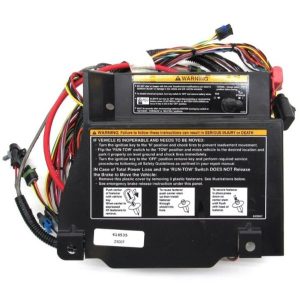
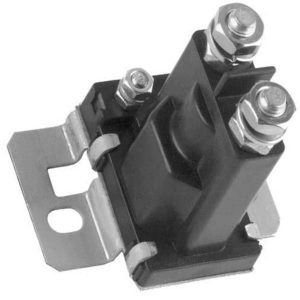
A single dead cell affects the entire pack’s performance. Your EZGO solenoid and controller work harder, compensating for weak batteries, potentially damaging other electrical components.
Recovery becomes impossible once sulfation hardens. Desulfation chargers help with light buildup but cannot reverse severe crystallization. Prevention through proper trickle charging costs far less than replacing a battery pack.
What Does Proper Battery Maintenance Look Like?
Owners who follow consistent maintenance practices enjoy 7+ year battery life, reliable starting, and a full range from their golf carts.
Investing in a high-quality trickle charger yields dividends throughout the battery pack’s lifespan.
Proper maintenance creates measurable results:
- Consistent voltage readings across all batteries (within 0.2V of each other).
- Full-range capability that matches or exceeds manufacturer specifications.
- Quick charging times indicate healthy cell chemistry.
- Clean terminals and connections showing regular attention.
- Proper electrolyte levels in flooded batteries.
Tom Cook appreciates the value Carts & Parts provides for battery maintenance:
“These folks are very helpful and their customer service is great. Best price on batteries.”
When batteries eventually need replacement, properly maintained packs often qualify for core credits.
Carts & Parts accepts trade-ins on Trojan, US Battery, Crown, and other major brands.

Get Professional Golf Cart Battery and Charging Support
Carts & Parts carries OEM EZGO chargers, aftermarket trickle chargers, battery cables, and maintenance supplies for all major golf cart brands.
Our technicians match charging equipment to your specific cart configuration and storage situation.
Call (937) 459-8891 for personalized recommendations on trickle chargers and battery maintenance equipment.
Frequently Asked Questions About Golf Cart Battery Trickle Chargers

Is it recommended to leave a trickle charger on all winter?
Hi Roger,
It depends on your battery type and what kind of charger you’re using.
For flooded lead-acid batteries (most common):
Yes, a proper battery maintainer (smart trickle charger) is ideal for winter storage. It monitors the battery and provides a charge only when needed, preventing overcharging
However, using a standard trickle charger connected continuously can overcharge batteries and cause damage, especially over several months. If you’re using a regular golf cart charger (not a maintainer), it’s better to charge fully before storage, then top off every 4-6 weeks rather than leaving it plugged in continuously
For lithium batteries:
Lithium batteries should NOT be left on a charger all winter. They hold their charge much better and don’t need constant maintenance charging. Most lithium packs only require a partial charge and then storage at moderate temperatures.