Why Does Golf Cart Safety Matter More Than Ever?
Golf cart injuries send approximately 15,000 people to emergency rooms across the United States every year, according to data tracked by the Consumer Product Safety Commission (CPSC).
The number continues rising as more owners use carts for neighborhood transportation, property maintenance, and commercial applications beyond traditional recreational use.
Children under 16 account for roughly 31% of all golf cart injuries.
Falls from moving carts and rollovers represent the leading causes of serious harm.
Head and neck injuries occur most frequently, followed by fractures to arms and legs.

The absence of standard automotive safety features explains much of the risk.
Most golf carts lack seat belts, doors, airbags, and reinforced frames that protect occupants in cars and trucks.
Lower speeds can create a false sense of security, leading to careless operation.
What Are the Most Common Golf Cart Accidents?
Rollover accidents occur when drivers take turns too sharply or navigate slopes that exceed the cart’s stability limits.
The high center of gravity and narrow wheelbase on standard golf carts make tipping more likely than in wider vehicles.
Ejection injuries occur when passengers fall from moving carts during sudden stops, sharp turns, or collisions.
Rear-facing seats pose a higher risk of ejection because occupants cannot brace against forward momentum.
Collision accidents involve golf carts striking pedestrians, other vehicles, or stationary objects. Limited visibility from the driver’s seat and the quiet operation of electric carts contribute to these incidents.
Understanding accident patterns helps owners take preventive action through proper equipment, maintenance, and operating practices.
The CPSC provides ongoing research and safety recommendations for owners of low-speed vehicles.
What Should You Know About Professional Golf Cart Safety Service?
Certified EZGO technicians identify safety issues that owners often miss during casual inspections.
Trained eyes spot worn brake linings, corroded electrical connections, and suspension problems before they cause failures.
Professional service combines manufacturer knowledge with hands-on experience across thousands of carts.
When Adam Sweigart brought his cart in for service, he discovered what thorough professional care looks like:
“Outstanding service and communication. The staff was knowledgeable about my cart and did not try to oversell or promote anything extra. The staff addressed exactly what they did and provided the reason why it was necessary. Timely service and will definitely use for future service and accessories.”
Carts & Parts maintains more than 1,550 five-star reviews by focusing on honest assessments and quality workmanship.
The golf cart service team explains every recommendation so owners understand exactly what their carts need.
Authorized EZGO dealerships have access to factory diagnostic tools, technical bulletins, and OEM replacement parts that independent shops cannot obtain.
Genuine parts restore original safety performance rather than introducing compatibility risks from aftermarket alternatives.
How to Improve Golf Cart Safety Today Without Major Upgrades
Taking action on safety does not require major investments or complete overhauls.
Simple steps create immediate improvements in how your cart performs and protects passengers.
- Check your brakes this week. Press the brake pedal firmly and note how much travel occurs before resistance builds. Soft or spongy pedals indicate air in the brake lines or worn components that need to be replaced.
- Test all lights before your next ride. Turn on the headlights, activate the turn signals, and have someone confirm brake lights illuminate when you press the pedal. Replace any bulbs that flicker or fail to light.
- Inspect tire condition and pressure. Look for cracks, bulges, or uneven wear patterns that signal alignment problems. Maintain pressure at the PSI rating stamped on tire sidewalls.
- Schedule a professional safety inspection. Annual checkups catch developing problems and verify that all systems meet manufacturer specifications for safe operation.

What Safety Equipment Every Golf Cart Needs for Safe Operation
OEM safety components from manufacturers such as EZGO, Club Car, and Yamaha provide reliable protection specifically designed for golf cart applications.
Aftermarket equipment varies widely in quality, fitment, and durability.
Genuine parts integrate seamlessly with existing systems and maintain warranty coverage.
Every golf cart benefits from basic safety equipment regardless of where or how often it operates.
The following components address the most common causes of accidents and the types of injuries.
How Lights and Turn Signals Improve Golf Cart Safety and Visibility
Headlights illuminate the path ahead and make your cart visible to approaching vehicles during dawn, dusk, and nighttime hours.
Standard golf cart headlights provide 200 to 400 lumens, while upgraded LED headlight kits deliver 800 to 1,200 lumens for superior visibility.
Taillights and brake lights warn following vehicles when you slow down or stop. The EZGO RXV Turn Signal Kit (Part #607530) adds factory-quality directional indicators that communicate your intentions to surrounding traffic.

Turn signals eliminate dangerous guesswork when you change direction at intersections or enter roadways.
Hand signals work in emergencies but require removing a hand from the steering wheel and assuming other drivers understand the gestures.
Why Mirrors Are Essential for Safe Golf Cart Operation and Awareness
Side-view mirrors and rearview mirrors eliminate blind spots that hide pedestrians, cyclists, and other vehicles.
Golf cart bodies create significant blind spots behind and to the sides of the driver’s seating position.
The Universal Side View Mirrors (Part #ACC-1021) fit EZGO, Club Car, and Yamaha carts with simple mounting hardware.
Adjustable mirror heads let drivers position reflective surfaces for optimal rearward visibility.
Backing accidents rank among the most preventable golf cart incidents.
A quick mirror check before reversing takes seconds and prevents collisions with objects, pets, and people behind the cart.
How Golf Cart Brakes Protect You and Your Passengers
Mechanical drum brakes on most golf carts use brake shoes that press against rotating brake drums to create friction for stopping.
Cable-actuated systems connect the brake pedal to rear wheel assemblies through adjustable brake cables that stretch and wear over time.
Brake performance degrades gradually as components wear.
Owners rarely notice small changes in stopping distance until an emergency reveals how much capability has been lost.
Regular inspections catch wear before it becomes dangerous.
Warning Signs Your Golf Cart Brakes Need Immediate Service
- Longer stopping distances indicate worn brake shoes or drums that no longer create adequate friction. Compare current performance against how the cart stopped when the brakes were new or freshly serviced.
- Squealing or grinding sounds during braking suggest metal-to-metal contact from completely worn brake shoes. Continuing to drive with grinding brakes damages the drums and significantly increases repair costs.
- Pulling to one side when braking means one wheel’s brakes engage more strongly than the other. Uneven braking creates handling problems and accelerates wear on the stronger side.
- A soft or spongy pedal feel points to stretched cables, air in the hydraulic lines, or worn adjustment mechanisms. The pedal should engage firmly within the first third of its travel range.
When Ron Bowman needed brake service, he experienced the professional approach that keeps carts stopping safely:
“Carts and parts put new brakes and brake cables on my cart. They kept me well informed. And we’re very courteous.”
The EZGO Controls & Switches guide explains how brake systems integrate with other cart components.
Understanding the complete system helps owners recognize problems and communicate effectively with service technicians.
What Does It Take to Make a Golf Cart Street Legal?
Street-legal golf carts must meet equipment standards established by the National Highway Traffic Safety Administration (NHTSA) under Federal Motor Vehicle Safety Standard 500.
Carts meeting these requirements are classified as Low-Speed Vehicles (LSVs) and may operate on public roads with posted speed limits of 35 mph or less in most states.
The federal baseline requires carts to reach top speeds of 20-25 mph while weighing under 3,000 pounds.
Vehicles exceeding 25 mph are subject to different regulations with more stringent requirements.
State laws add requirements beyond federal minimums. Some states require insurance, registration, and a valid driver’s license for LSV operation.
Local municipalities may restrict golf carts to designated roads or prohibit them entirely.
The NHTSA Low-Speed Vehicle information page provides current federal regulations and links to state-specific resources.
Checking both federal and state requirements ensures full compliance.
What Equipment Is Required for Street-Legal Golf Carts?
Meeting LSV standards requires specific safety equipment installed and functioning properly:
- Headlights that illuminate the road ahead in darkness.
- Taillights are visible from behind during all operating conditions.
- Brake lights that activate when the brake pedal is pressed.
- Turn signals indicate left and right directional changes.
- Reflex reflectors on sides and rear for passive visibility.
- Side mirrors provide rearward visibility on both sides.
- Interior rearview mirror for monitoring traffic behind.
- DOT-approved windshield made from safety glass.
- Seat belts at every designated seating position.
- Parking brake capable of holding the vehicle stationary.
- The horn is audible from a reasonable distance.
- Vehicle Identification Number (VIN) for registration.
The Slow Moving Vehicle Sign (Part #SMVCOLOR) alerts faster traffic when your cart is operating below the prevailing speed.
Many jurisdictions require SMV emblems on vehicles that cannot maintain minimum highway speeds.
How Many Golf Cart Accidents Happen Each Year?
Emergency departments across the United States treat approximately 15,000 golf cart-related injuries annually, according to CPSC surveillance data.
The actual number of incidents runs higher because minor injuries often go unreported or receive treatment outside hospital settings.
Injury rates increased by more than 130% between 1990 and 2006 as golf cart usage expanded beyond traditional recreational settings.
A study published in the American Journal of Preventive Medicine documented nearly 147,000 emergency department visits for injuries sustained during law enforcement encounters over a 16-year period.
Recent data show continued growth in senior injuries, with nonfatal cases among adults aged 65 and older rising substantially from 2004–2017.
Retirement communities, where golf carts serve as the primary mode of transportation, account for a disproportionate share of accidents involving older adults.

Children experience traumatic brain injuries at rates more than three times higher than adults in golf cart accidents.
The combination of smaller body size, less developed motor skills, and frequent passenger ejections creates elevated risks for young riders.
Understanding accident frequency and patterns motivates safety investments.
Every improvement to your cart’s brakes, lights, and stability features reduces the likelihood of becoming part of these statistics.
Are Golf Carts Safer Than Cars or Low-Speed Vehicles?
Standard golf carts provide significantly less occupant protection than automobiles designed for highway use.
The fundamental differences in construction, speed capability, and safety equipment create a substantial safety gap that owners must acknowledge.
Cars include crumple zones, airbags, reinforced passenger compartments, and three-point seat belts engineered to protect occupants during crashes at highway speeds. Golf carts lack all of these features in their standard configurations.
The open design that makes golf carts convenient for frequent entry and exit also exposes occupants to the risk of ejection during sudden stops, sharp turns, and collisions.
Doors, roofs, and windshields on automotive vehicles contain occupants within protected spaces during accidents.
Low-Speed Vehicles (LSVs) bridge part of the safety gap by requiring seat belts, DOT windshields, and other protective equipment.
However, even fully equipped LSVs cannot match the crash protection engineered into modern automobiles.
Golf carts operate safely when owners understand their limitations and use them appropriately.
Restricting operations to designated areas, maintaining safe speeds, and ensuring all passengers remain seated minimizes the risks inherent to the vehicle design.
The complete EZGO parts guide covers components that enhance safety across all cart systems.
Proper maintenance keeps factory safety engineering performing as designed.
What Is the Most Common Cause of Golf Cart Injuries?
Falls from moving carts cause the largest share of golf cart injuries, according to multiple research studies.
Passengers who stand, lean, or sit improperly are ejected during normal operation when drivers brake suddenly or navigate turns.
The CPSC reports that approximately 40% of golf cart accidents involve someone falling from the vehicle.
Children face especially high ejection risks because their smaller size makes handholds harder to reach and their lighter weight offers less resistance to centrifugal forces.
Rollover accidents represent the second major injury category. Golf carts tip when drivers:
- Take turns too fast for conditions.
- Navigate slopes exceeding the cart’s stability limits.
- Strike curbs, bumps, or obstacles at speed.
- Carry unbalanced loads that shift the center of gravity.
Collisions with other vehicles, pedestrians, and stationary objects complete the primary accident categories.
Electric carts operating quietly surprise pedestrians who do not hear them approaching.
Limited driver visibility from golf cart seating positions contributes to striking objects and people.
Prevention focuses on passenger behavior, appropriate speed, and awareness of surroundings. Insisting that all passengers remain seated with hands inside the cart eliminates most ejection injuries.
Reducing speed on turns and slopes prevents rollovers. Staying alert and using mirrors reduces collision risks.
The EZGO accessories collection includes grab handles, mirrors, and other equipment that help passengers stay secure during operation.
What Happens When Golf Cart Safety Is Ignored?
Neglecting safety maintenance creates compounding risks that grow more dangerous over time.
Small problems become major failures. Preventable accidents cause injuries that permanently change lives.
Owners who skip brake service face predictable consequences:
- Stopping distances increase by 20% to 50% as brake shoes wear below minimum thickness.
- Emergency stops fail when worn components cannot generate adequate friction.
- Repair costs multiply when damaged drums require replacement, along with shoes and cables.
- Liability exposure grows when accidents occur in carts with documented maintenance neglect.
Operating without proper lighting creates visibility dangers:
- Other drivers cannot see your cart during dawn, dusk, and darkness.
- Pedestrians and cyclists appear suddenly in your path without warning.
- Legal violations accumulate when operating on roads requiring lights.
- Insurance claims face denial when accidents involve equipment deficiencies.
Worn steering and suspension components produce handling problems:
- Unpredictable responses to steering inputs make accident avoidance difficult.
- Tire wear accelerates when alignment drifts outside specifications.
- Passenger comfort declines as bushings and shocks lose damping ability.
- Structural damage spreads when worn components transfer stress to adjacent parts.
What Does Safe Golf Cart Ownership Look Like?
Owners who prioritize safety enjoy their carts without worrying about unexpected failures or preventable accidents.
Regular maintenance, proper equipment, and responsible operation create peace of mind alongside reliable transportation.
Safe ownership means:
- The brakes stop confidently every time you press the pedal.
- Lights illuminate your path and make your cart visible to others.
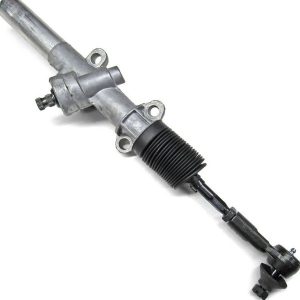
- Steering responds predictably to your inputs without play or wandering.
- Passengers ride securely in seats designed for their safety.
When Tyler Wiles faced frustrating cart problems, professional service restored reliable operation:
“Got my golf cart going after frustrating days of me trying figuring it out. Great company and very professional. Will be a repeating customer. Thanks carts and parts.”

Safe carts serve their owners for years without major incidents.
The investment in quality parts and professional service pays dividends through avoided repairs, reduced liability, and uninterrupted enjoyment.
The EZGO battery and electrical parts collection supports safe operation through reliable power delivery and properly functioning electrical systems.
Get Professional Golf Cart Safety Service
Carts & Parts, LLC delivers expert safety service backed by more than 2,000 five-star reviews from satisfied customers.
The authorized EZGO dealership maintains factory training, diagnostic tools, and genuine OEM parts for every service.
Family ownership since 2007 means your cart receives personal attention from technicians who take pride in their work.
Transparent pricing eliminates surprises, and honest assessments tell you exactly what your cart needs.
Call (937) 459-8891 to schedule your safety inspection or discuss equipment upgrades.
The team ships parts nationwide with free shipping on orders over $50.